As a growing body of research shows that nutritious food can help people prevent and manage chronic health conditions, the population health team at Health Care Service Corporation sought to test the approach with members.
Collaborating with medical clinics in Illinois and Texas, HCSC enrolled about 400 food-insecure Medicaid members in Food as Medicine programs for six months and measured the clinical effect of receiving fresh produce and other nutritious foods every week.
Preliminary data shows participants in Illinois lowered their blood pressures, reduced or stabilized their weight and lowered or stabilized their blood sugar levels during the pilots. In Texas, participants closed gaps in their screenings for high blood pressure, blood sugar, colorectal and cervical cancer, depression and body mass.
“The data highlighted the significant food insecurity that are members with chronic conditions are navigating in these communities,” says Pam Burnett, project leader and senior manager of product delivery at HCSC. “Strong data insights guided the design of targeted, action-oriented pilots.”
The results were strong enough to continue expanding the efforts. The team plans to conduct more pilots to refine ways to identify members who could most benefit medically from receiving nutritious foods, as well as improve implementation.
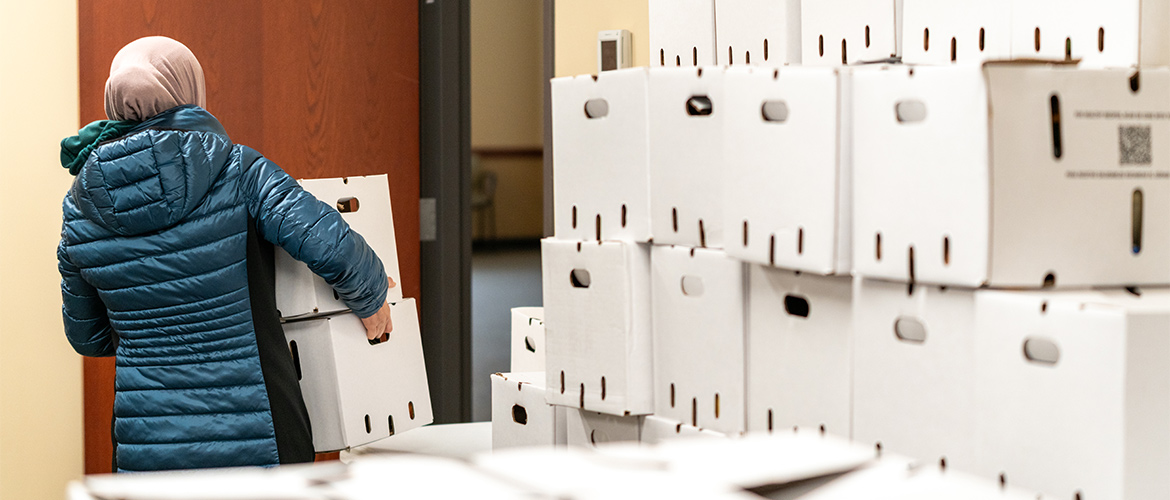
The Illinois pilot provided members at VNA clinic in Elgin and Aunt Martha’s clinic in Kankakee with boxes of food and nutrition education.
In Texas, the team worked with the Austin-based Central Texas Food Bank’s Mobile FARMacy to improve food access and nutrition education to members at Lone Star Circle of Care and People’s Community Clinic. The food bank also helped enroll qualified participants in federal food programs and other social services.
The pilots built on an initiative launched in 2025 after member health assessments revealed food insecurity in underserved communities could be contributing to chronic medical conditions, including diabetes, hypertension and obesity.
Encouraged by early outcomes, the pilots are expanding. The team plans to launch additional initiatives to further refine how members who could most benefit from medically tailored nutrition are identified and engaged, while strengthening implementation approaches.
The initiative, which is expanding this summer to food-insecure members in Doña Ana County in New Mexico, is one of several ways HCSC helps Medicaid members address non-medical issues that can lead to poorer health outcomes.
“When access to a grocery store requires a 20-minute drive, many individuals, especially those managing chronic conditions, are far more likely to rely on nearby convenience stores, underscoring the need for closer, more accessible sources of nutritious food,” Burnett says.
Poor nutrition is a significant risk factor for obesity and other chronic conditions, including Type 2 diabetes, heart disease, stroke, certain cancers and depression, according to the Centers for Disease Control and Prevention.
During the Texas pilot, members’ clinical appointments were scheduled in conjunction with on-site food access, nutrition education and benefits navigation to improve member engagement and health outcomes. Participants lowered their blood pressure and blood sugar and increased completion of recommended screenings for depression and colon and cervical cancer.
Burnett says the team has learned that involving health care providers in the programs helps achieve and validate the clinical outcomes.
An introduction to new and healthier foods
At Elgin’s VNA clinic, members picked up boxes with cans of tuna, as well as the fresh fruits and vegetables they relied on to help feed themselves and their families.
Linda Taylor, a clinic patient, joined the program after HCSC’s Illinois plan invited her. The food boxes, especially the fresh produce, helped supplement groceries for her and her 15-year-old son. They looked forward to eating the cantaloupe, oranges and tuna they received.
“It introduces you to a variety of fruits and vegetables that you may not be normally used to but get in there and you try it,” says Taylor, who’s trying to lower her blood pressure and cholesterol. “But it's a good thing. Because I figure whatever is in the box, it’s a necessity for you moving forward with your health.”
Clinic patient Edith Alcauter, who recently completed chemotherapy, says the boxes she received helped provide food for her and her daughters, ages 12 and 15, as she was going through treatment.
“Nothing goes to waste in there,” she says. “My daughters love the fruits,” says Alcauter, adding her family even developed a taste for sweet potatoes they received after looking up recipes to learn how to cook them.
“This is very helpful because it's something that we really needed to be healthy,” she says.